


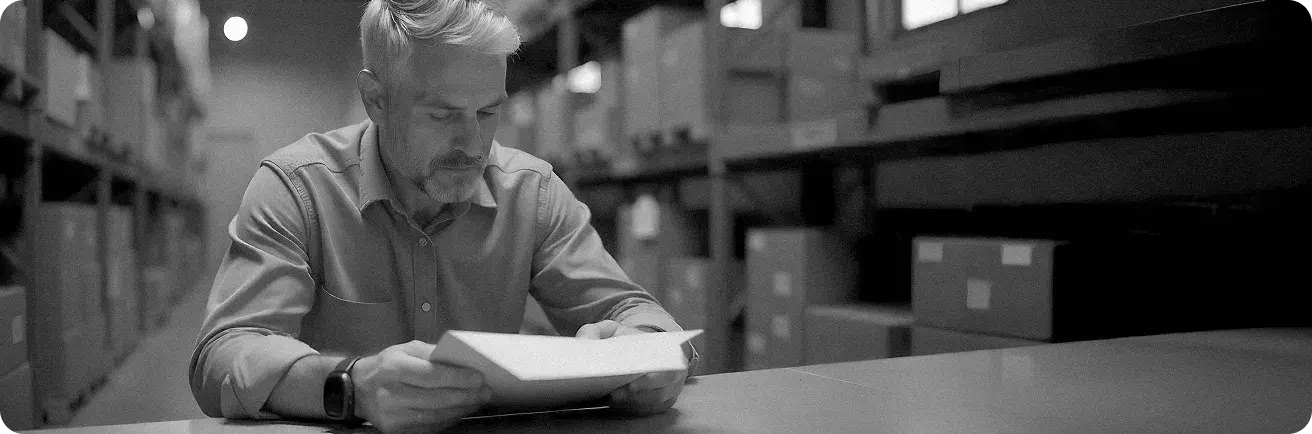
Government Facilities are the Number One Target of Mail Threats

Close the gap in your security posture. RaySecur helps government facilities stop hidden dangers at the envelope with 4D T-ray mail screening and expert program design.

TRUSTED BY
Department of State
us-air-force-logo-Cj9KZIIp
us-ice-logo-BtMm5HoE
us-oig-logo-CsbOJ6nb
bureau-of-prisons-logo-Dx5mwJxN
nsf-logo-CMVwz09r
Dep. of Defense - Greyscale
Loading...
Unseen and Unscreened

Mailroom Vulnerability in Government Security

For the price of a first-class stamp, a letter can be sent anonymously and conceal any number of threats, including powders, liquids, explosives, or electronics that disrupt operations, harm staff, damage reputation, or trigger costly legal and media fallout. Perimeter controls are critical — but mail and parcels bypass traditional checkpoints every day.

Why Government Facilities Face Higher Mail Threat Risks

Federal, state and local government facilities remain the number one target for mail threats – both hoaxes and legitimate attacks. Even with strong perimeter and digital defenses, government facilities face unique vulnerabilities in their mail flows:

Mail handling environment
High Volume & Diverse Mail Channels

Government offices receive mail from many external sources—including public, legal, and legislative correspondence—making each item harder to vet.

Decentralized / Multi-Site Facilities

Federal, state, and local agencies often span dozens of buildings, each with its own mailroom and limited screening.

Symbol of Authority

Government facilities represent national authority, making them primary targets for ideologically motivated threats.

Publicly Accessible Locations

Courthouses, municipal offices, and public service centers welcome hundreds of visitors and deliveries daily.

Budget & Procurement Constraints

Complex procurement cycles and budget limitations can delay upgrades to modern screening technology.

Evolving Threat Landscape

From white-powder hoaxes to advanced CBRNE threats, government mail threats grow more sophisticated each year.

All-In One Detection of CBRNE Threats

MailSecur detects all types of mail threat categories listed by the US Department of Homeland Security applicable to government facilities, including:

Biological
Biological

Materials that may carry diseases with the potential to spread.

Explosives
Explosives

Improvised explosive devices (IED), pipe bombs, and related threats.

Threatening Content
Threatening Content

Suspicious mail with menacing language on envelope or contents.

Contraband
Contraband

Prohibited items such as illicit drugs, cell phones, and electronics.

Radiological
Radiological

High-energy radiation materials that have adverse health effects.

Nuclear
Nuclear

Explosive devices utilizing nuclear reactions.

Suspicious Powders
Suspicious Powders

Powder threats including anthrax, ricin, fentanyl, and hoaxes.

Dangerous Items
Dangerous Items

Weapons, sharps, or other items that are intentionally harmful.

Chemical
Chemical

Toxic or poisonous powders, liquids, and solids, including laced-papers.

Key Features of MailSecur 4D T-Ray Screening

Dynamic 4D T-ray Imaging

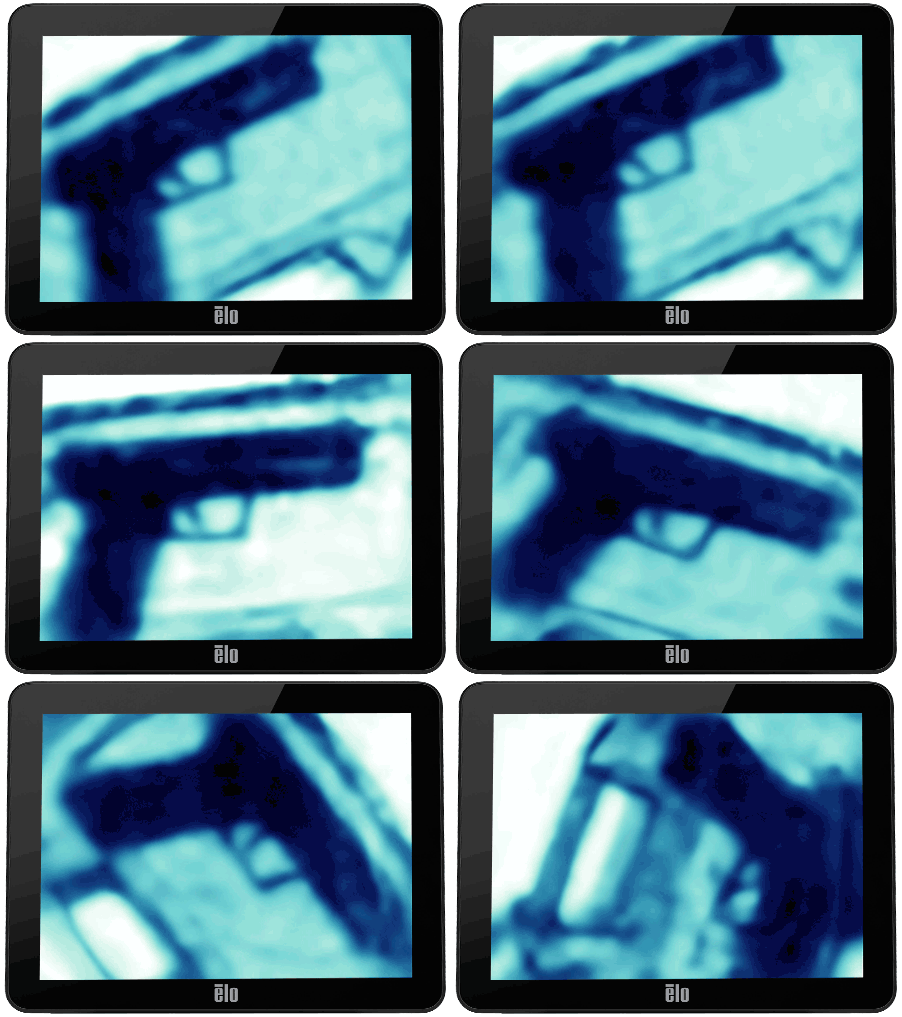
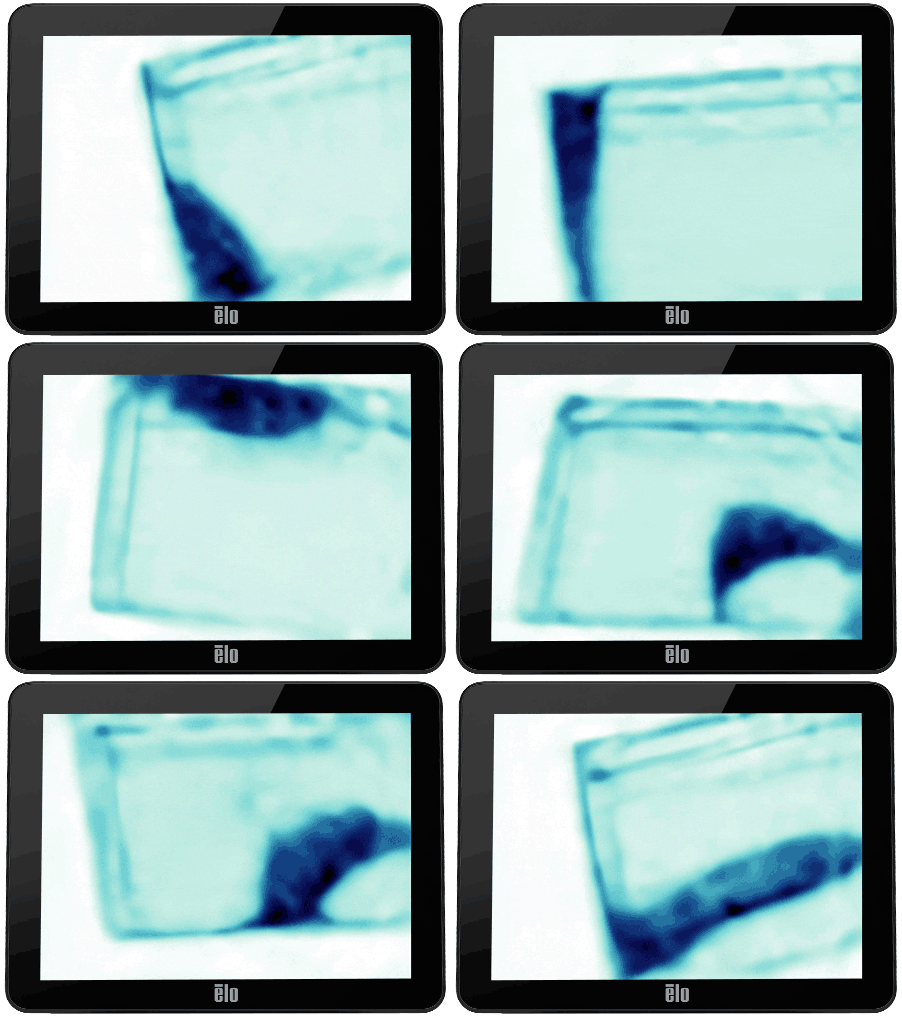
See inside mail and packages in real time, capturing length, width, depth, and motion to reveal hidden powders, liquids, electronics, among other threats.
Detects What Others Miss

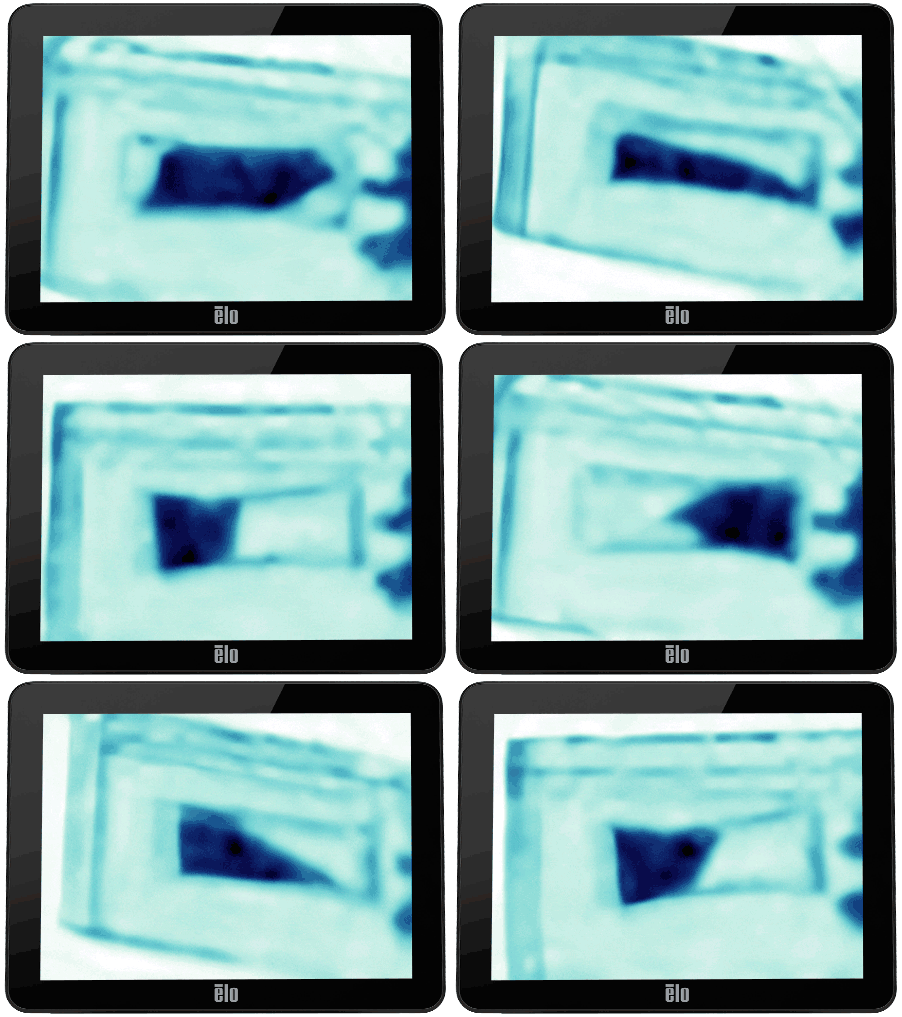
Uncovers threats too small or subtle for X-ray and legacy systems, including all nine DHS-recognized mail threat categories and precursors.
Safe, Non-Ionizing Technology

Unlike X-ray systems, T-rays produce no harmful radiation. MailSecur can be deployed in any facility without special permits, shielding, or inspections.
Advanced Detection Software and AI

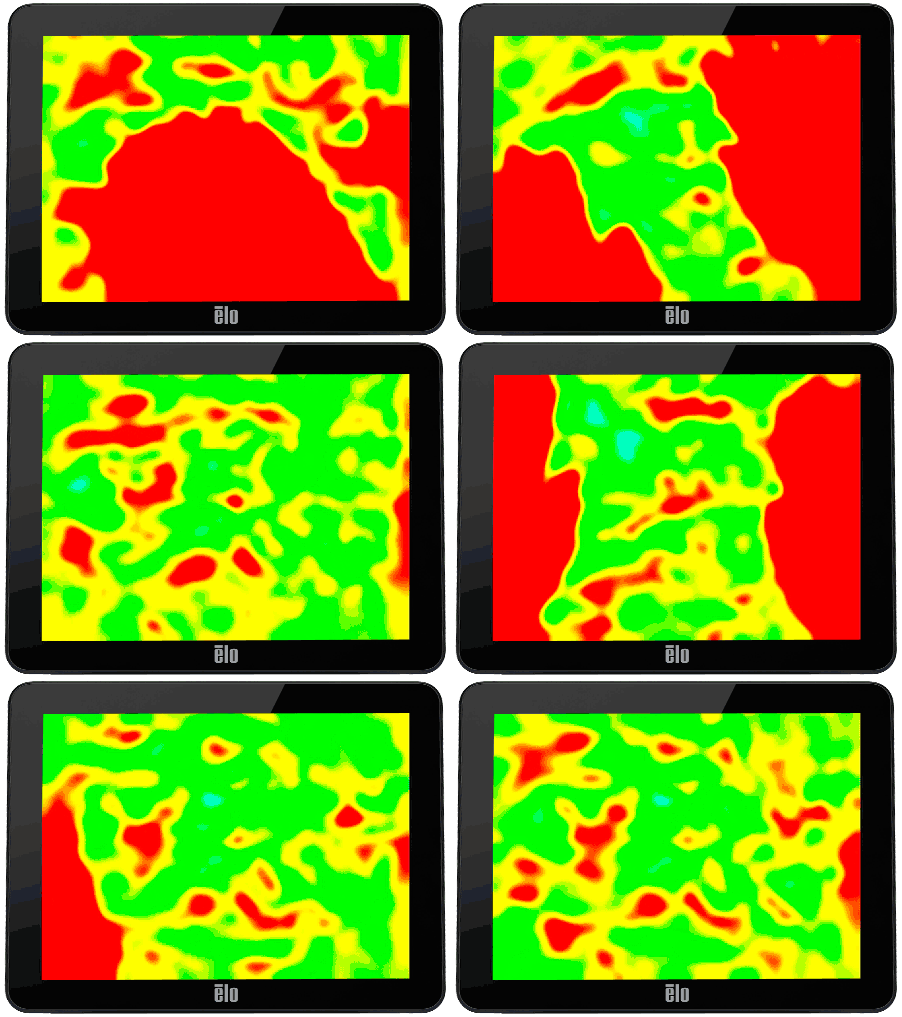
Software algorithms tailored for specific detection applications and AI image enhancement, combined with ongoing updates, ensures your team has the latest capabilities at their fingertips.
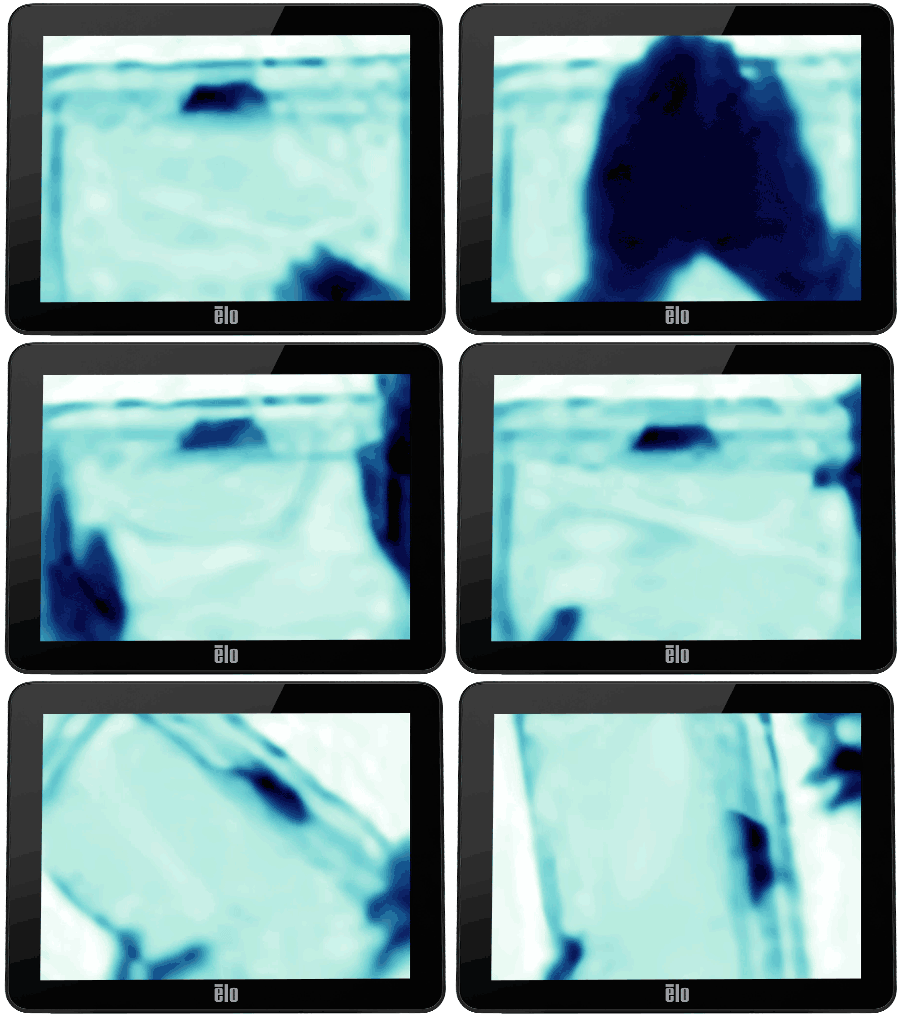
Easy to Use by Existing Staff

Simple interface enables staff to easily manipulate envelopes and parcels while screening to rotate and zoom for detail, making it easy to detect concealed anomalies with minimal training.
DHS SAFETY Act Designated

MailSecur is officially designated as a Qualified Anti-Terrorism Technology (QATT) by the U.S. Department of Homeland Security under the Safety Act.
How We Protect: Technology + Services

01

24/7 EODSecur® Threat Analysis and Response Support

Operators can count on 24×7 access to our team of former military explosives ordnance disposal, CBRNE, and law enforcement narcotics experts for real-time image analysis and interpretation. Whether operators need an expert second opinion or a refresher on best practices and training support, our experts can remotely connect to every MailSecur in real-time.

02

CONOPS, Training, Certification & Project Management

Turn-key project management including development of standard operating procedures (SOPs), consulting on concepts of operations (CONOPS) to delivering onsite, remote, or web-based on-demand learning for your team, to recurring program audits — your defenses grow stronger over time with RaySecur.

Contract vehicles

General Services Administration (GSA)General Services Administration (GSA)
LargeCategorySecurity and Protection PSC 3690
Contractor Awarded Unique Entity IDSRBCX24F2M53
Contract number47QSWA20D00A9

GOVERNMENT CAPABILITIES STATEMENT

Download

Questions or urgent needs?

844-729-7328x731 / 617-855-9938

Government Mail Screening FAQs

How does MailSecur detect threats in government mail?

MailSecur uses 4D T-ray imaging technology to scan inside mail and packages in real-time, detecting powders, liquids, electronics, explosives, and other threats that traditional X-ray systems might miss.

Minus

Is T-ray technology safe for screening mail?

Yes, T-rays are non-ionizing and non-invasive, meaning they produce no harmful radiation. This allows deployment in any facility without special permits, shielding, or safety inspections required by X-ray systems.

Plus

Can MailSecur integrate with existing government security systems?

MailSecur is designed to integrate seamlessly with existing security infrastructure. Our team works with government facilities to ensure smooth implementation and staff training.

Plus

What mail threat categories can MailSecur detect?

MailSecur detects all nine DHS-recognized CBRNE threat categories including biological, explosives, radiological, nuclear, chemical, threatening content, contraband, suspicious powders, and dangerous items.

Plus

What contract vehicles are available for government purchases?

MailSecur is available through GSA Schedule (Contract #47QSWA20D00A9) and other federal contract vehicles. Our team can assist with the procurement process.

Plus

How long does installation and training take?

Most government facilities can be operational within weeks of order. Staff training is minimal thanks to our intuitive interface, with most personnel fully proficient within a day.

Plus