






High Volume & Diverse Mail Channels

Decentralized / Multi-Site Facilities

Symbol of Authority

Publicly Accessible Locations

Budget & Procurement Constraints

Evolving Threat Landscape


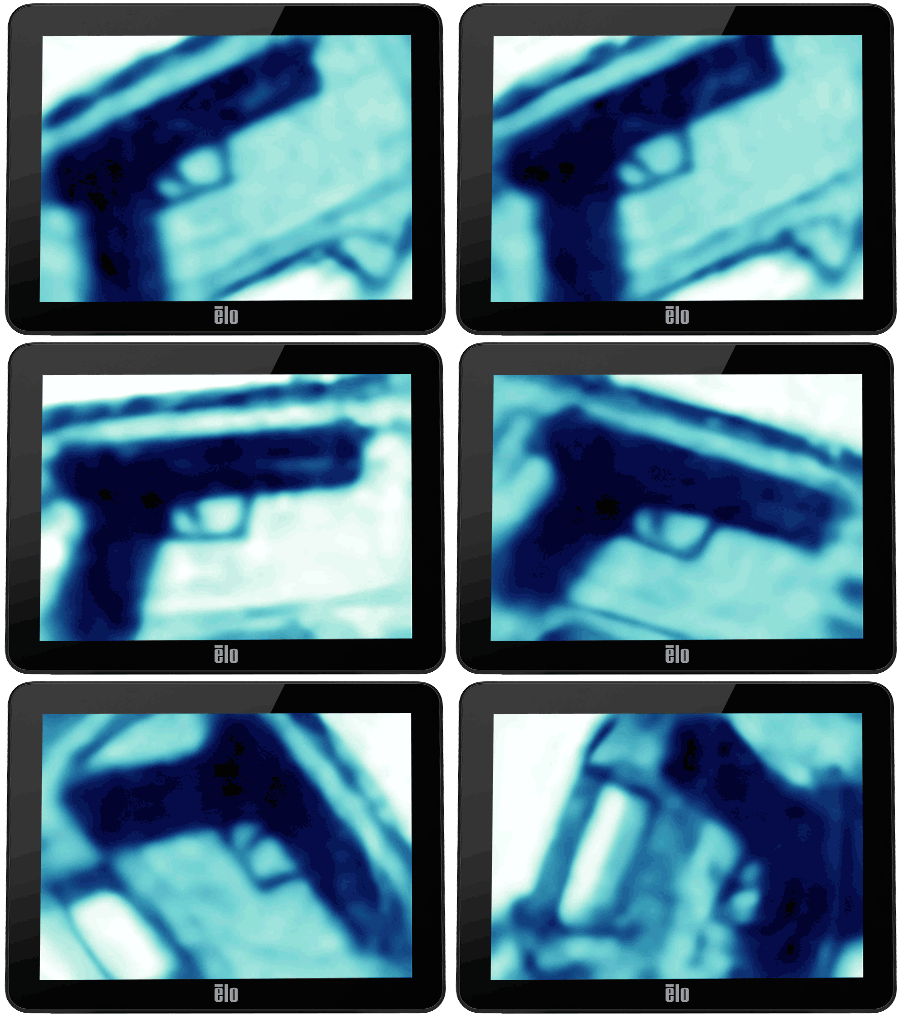
Dynamic 4D T-ray Imaging
See inside mail and packages in real time, capturing length, width, depth, and motion to reveal hidden powders, liquids, electronics, among other threats.
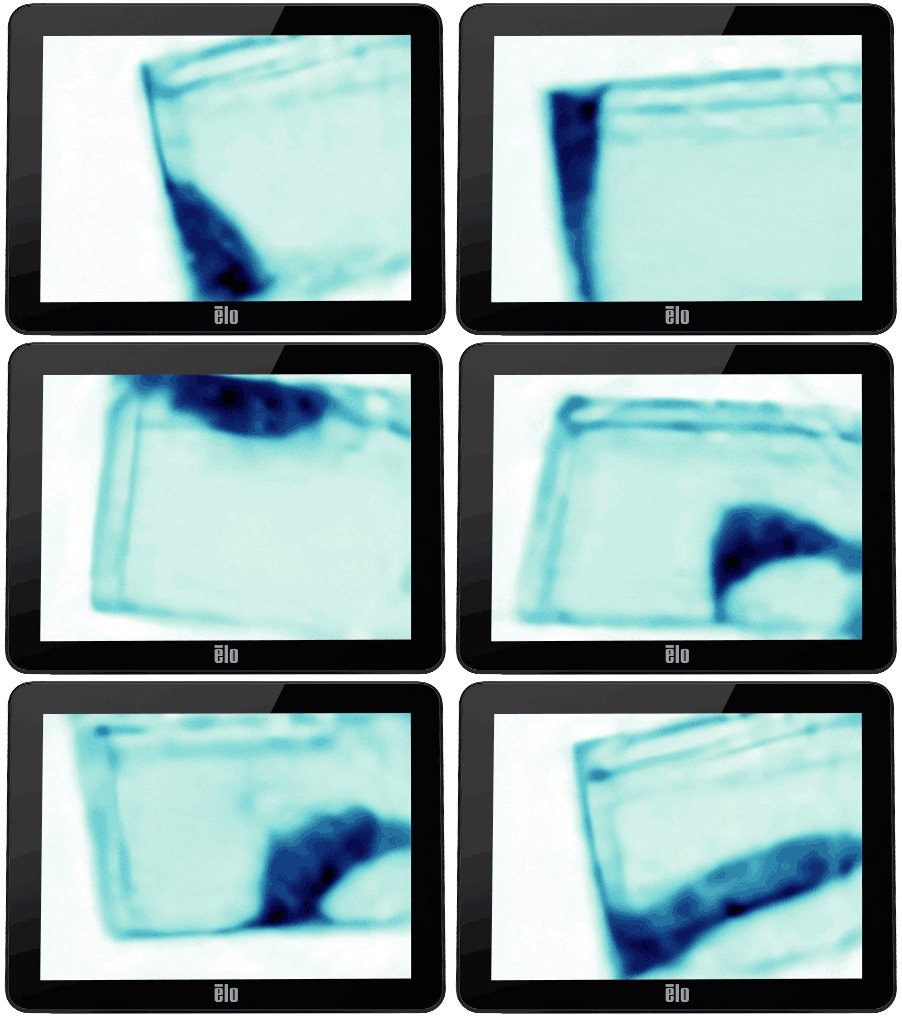
Detects What Others Miss
Uncovers threats too small or subtle for X-ray and legacy systems, including all nine DHS-recognized mail threat categories and precursors.
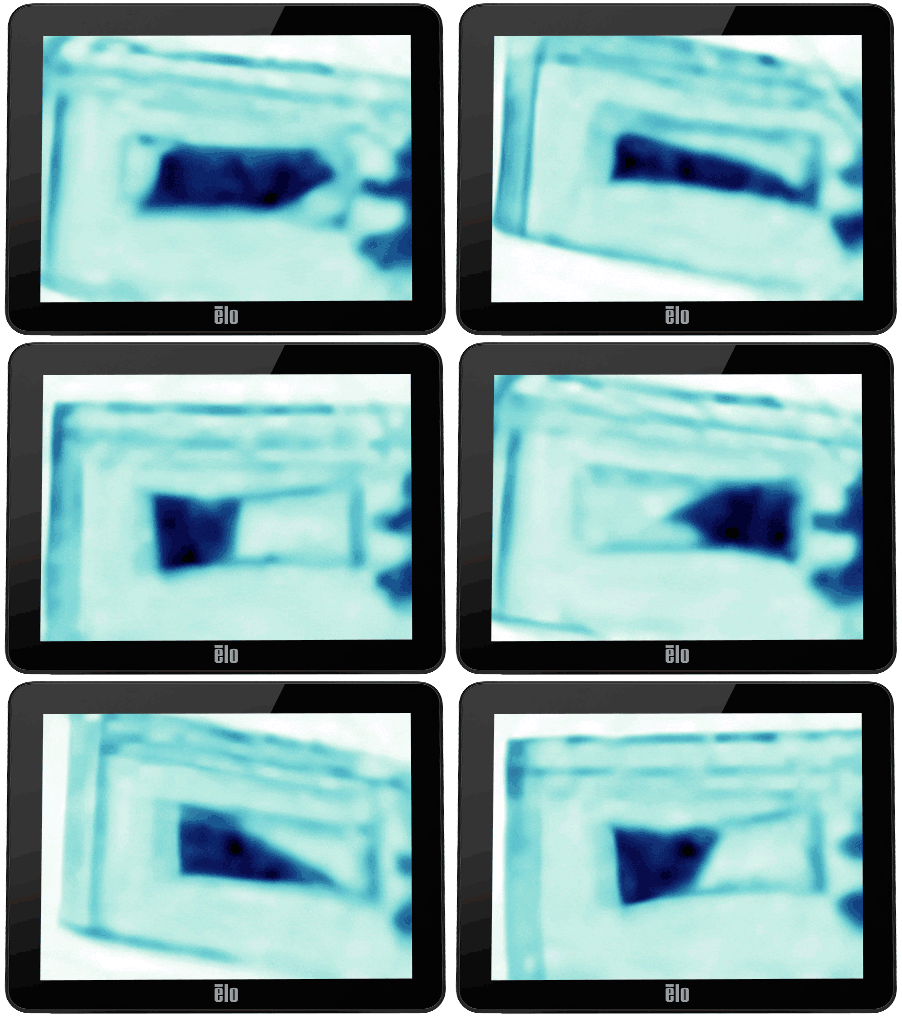
Safe, Non-Ionizing Technology
Unlike X-ray systems, T-rays produce no harmful radiation. MailSecur can be deployed in any facility without special permits, shielding, or inspections.
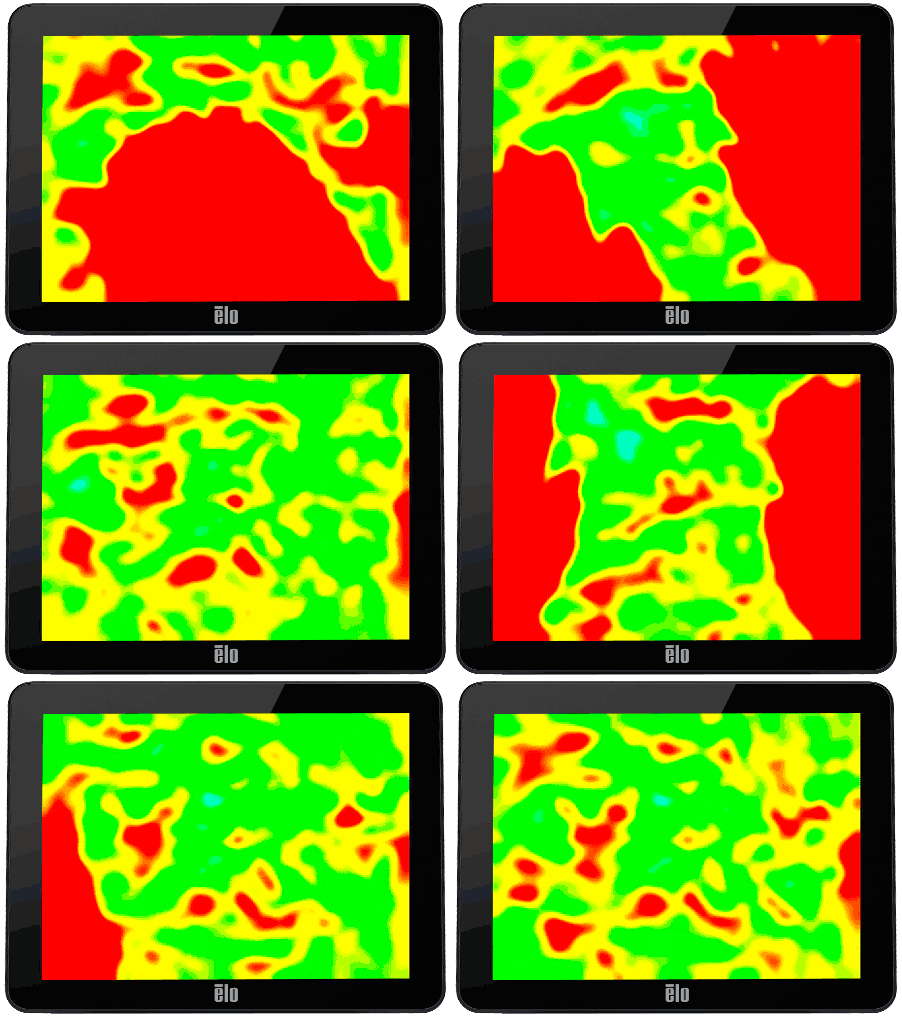
Advanced Detection Software and AI
Software algorithms tailored for specific detection applications and AI image enhancement, combined with ongoing updates, ensures your team has the latest capabilities at their fingertips.
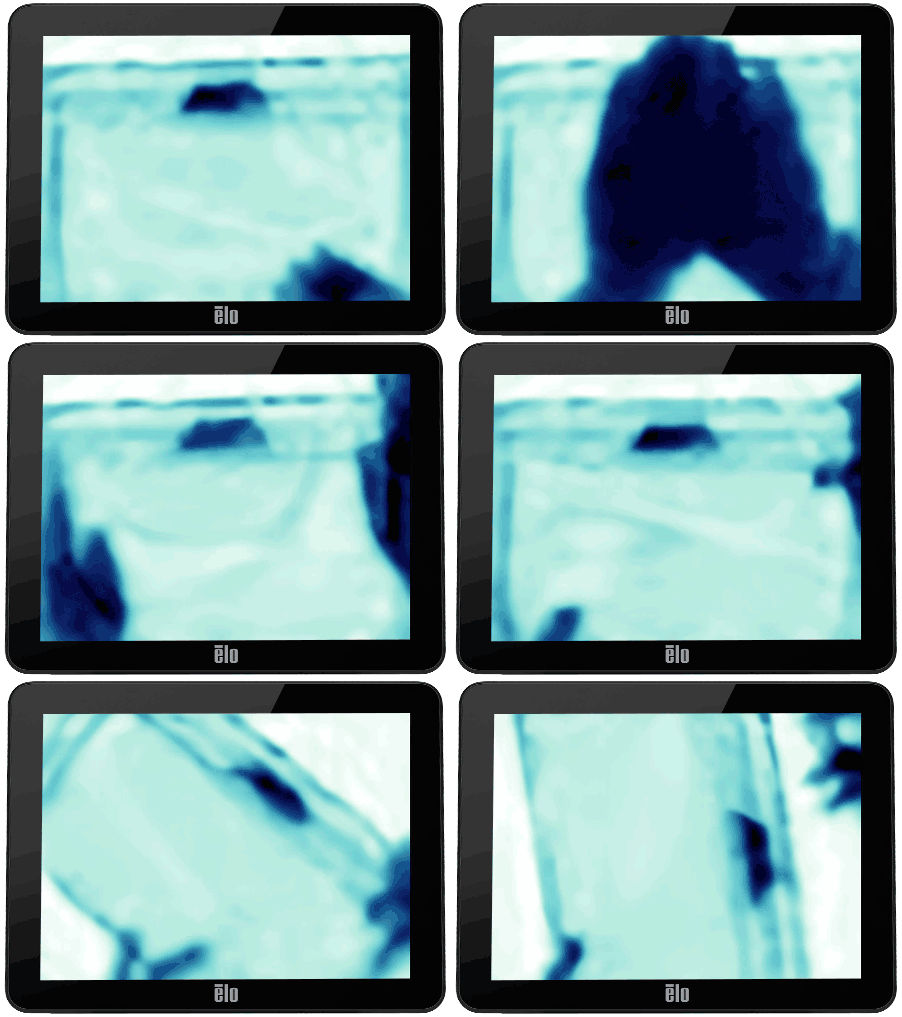
Easy to Use by Existing Staff
Simple interface enables staff to easily manipulate envelopes and parcels while screening to rotate and zoom for detail, making it easy to detect concealed anomalies with minimal training.
DHS SAFETY Act Designated
MailSecur is officially designated as a Qualified Anti-Terrorism Technology (QATT) by the U.S. Department of Homeland Security under the Safety Act.

How does MailSecur detect threats in government mail?


MailSecur uses 4D T-ray imaging technology to scan inside mail and packages in real-time, detecting powders, liquids, electronics, explosives, and other threats that traditional X-ray systems might miss.
Is T-ray technology safe for screening mail?
Yes, T-rays are non-ionizing and non-invasive, meaning they produce no harmful radiation. This allows deployment in any facility without special permits, shielding, or safety inspections required by X-ray systems.
Can MailSecur integrate with existing government security systems?
MailSecur is designed to integrate seamlessly with existing security infrastructure. Our team works with government facilities to ensure smooth implementation and staff training.
What mail threat categories can MailSecur detect?
MailSecur detects all nine DHS-recognized CBRNE threat categories including biological, explosives, radiological, nuclear, chemical, threatening content, contraband, suspicious powders, and dangerous items.
What contract vehicles are available for government purchases?
MailSecur is available through GSA Schedule (Contract #47QSWA20D00A9) and other federal contract vehicles. Our team can assist with the procurement process.
How long does installation and training take?
Most government facilities can be operational within weeks of order. Staff training is minimal thanks to our intuitive interface, with most personnel fully proficient within a day.